

Kyrgyzstan is tucked right into Central Asia and cradled by the Tian Shan mountains. It’s a place of vast landscapes, traditional nomadic living, and quickly increasing cityscapes. Independent travel here isn’t just possible — it’s one of the best ways to see the country. Bounce along mountain roads in a marshrutka, share bread and tea with strangers in a roadside café, and wake up in a yurt with views that make you gasp. Buses and marshrutkas connect most towns, the homestay network is excellent, and costs are low enough that you can travel for weeks without blowing your budget. So whether it’s the mountains, a connector to the Pamir, or the amazing landscapes you want, here’s my guide to independent travel in Kyrgyzstan.
THIS POST MAY CONTAIN COMPENSATED AND AFFILIATE LINKS MORE INFORMATION IN OUR DISCLAIMER
It’s true, infrastructure can be patchy, and outside the main cities you’ll need patience (and maybe a little Russian or Kyrgyz phrasebook). Kyrgyzstan is a country built for slow exploration. Whether it’s trekking to alpine lakes, bargaining in bazaars, or riding horseback across high pastures, you’ll find memorable experiences here, and traveling independently means that you can decide when to stop and how long for. In this guide, I’ll break down how to travel Kyrgyzstan independently — from getting there, to moving around, to staying safe and keeping costs in check. I’ll also cover when to go, how long to spend, and the essential experiences you really shouldn’t miss.
PRACTICAL TRAVEL TIPS
- 🛡️ Get Travel Insurance: Civitatis includes medical expenses, repatriation, theft, luggage delays. No deductibles or upfront payments. Get a quote here.
- 🛏️ Great facilities? Yurts? Private bath? Book a Room and more in Kyrgyzstan
- 🔌 Read about the plug, socket & power situation. Buy this adapter.
- 📶 Get online EASILY & cheaply – One eSim for the world. Data never expires
Why Travel Independently in Kyrgyzstan
Independent travel in Kyrgyzstan isn’t just possible, it’s the way to really explore this country. Don’t get me wrong, tours can be handy for very specific treks or if you’re short on time, (and if you’re in Osh, this city tour is essential to understand not just the city, but the country as a whole)
Independent travel doesn’t mean you have to slog for hours in a shared Marshrutka, or walk everywhere. It means taking control of your own itinerary in Kyrgyzstan. (although organizations like Intrepid and GAdventures offer some great trips here). Booking your own transport between places (hint, you’ll need cash, so read my guide to cash, currency, and ATMS in Kyrgyzstan here)
Kyrgyzstan is also budget-friendly, which makes independent travel more than a little bit appealing. You don’t need to spend much to eat well (read my guide on what to eat in Kyrgyzstan here xxxx), find a place to stay, or move between places. With costs low, you can afford to stretch your trip longer, use private transport instead of shared minibuses, add in side trips to alpine lakes like Song-Kul, or spend extra days wandering Osh’s local vibe streets.
Then there’s the sheer variety of experiences you can fit in. One week you could be trekking in the Tian Shan, the next you’re swimming in Issyk-Kul, and by the following weekend you’re learning how to make kumis (fermented mare’s milk) with a nomadic family. Yep. Lots to do here.
Of course, traveling independently in Kyrgyzstan is without challenges. English isn’t widely spoken, and long journeys require patience and nerves of steel on mountain roads. Infrastructure outside the cities is basic, but it’s all still doable and adventurous at the same time.
How to Get to Kyrgyzstan
Kyrgyzstan definitely looks remote on the map, but getting here is easier than you’d think. And it definitely makes sense to combine a visit here (if your schedule allows) with neighboring countries – we included Tajikistan and the Pamir Highway, Kazakhstan, and Uzbekistan, as well as tacking on a long weekend in Istanbul, as it worked with our flights. Whether you’re flying in from Europe or making your way overland across Central Asia, there are several reliable routes into the country. Most travelers enter through Bishkek or Osh, and from there the whole of Kyrgyzstan opens up.
Flying into Kyrgyzstan
The fastest and simplest way to arrive is by air. Bishkek’s Manas International Airport is the main hub, with direct flights from Istanbul, Dubai, Moscow, Almaty, and a handful of European cities. This is the airport you’ll likely use if you’re starting your trip in the north or planning to connect onward into Kazakhstan.
If you’re heading for the south, Osh International Airport is your gateway. It has flights to and from Tashkent, Bishkek, Moscow, and a few other regional hubs. It’s much smaller than Bishkek but handy if you want to head straight into the Fergana Valley or toward the Pamir Highway.
Budget airlines do serve Kyrgyzstan — Pegasus Airlines and Air Astana are often the cheapest options from Europe and the Middle East — though don’t expect rock-bottom deals. Flights are usually straightforward to book online, but always check luggage allowances carefully, as these budget carriers are strict.
Coming Overland to Kyrgyzstan
If you’re already in Central Asia, crossing a border is part of the adventure. The most popular overland entry is from Kazakhstan: Almaty to Bishkek is an easy five-hour journey by the dedicated bus (I wrote about it here), shared taxis, or marshrutkas, with the border crossing being quick and efficient.
From Uzbekistan, the Tashkent to Osh route is straightforward, and many travelers also cross between Fergana Valley towns.
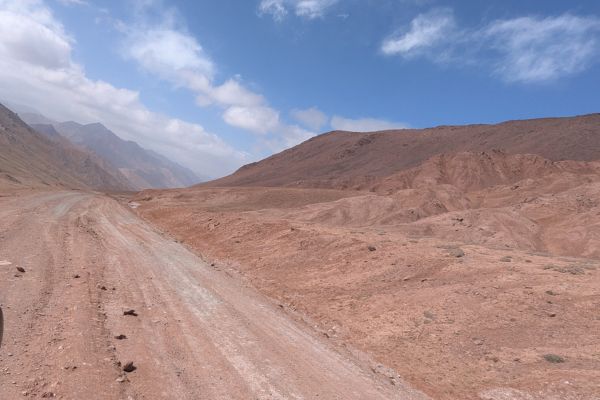
Coming from Tajikistan usually means tackling the Pamir Highway — one of the great overland journeys in the world — and while it’s long and rough, it’s unforgettable. We flew in this way – arriving in Dushanbe, across the Pamir into Osh.
Getting Around Kyrgyzstan
Travel inside Kyrgyzstan is, to be fair, most of the adventure of the country. Even when the distances look small on the map, the mountain passes, winding roads, and the laid-back pace of local transport mean journeys often take longer than you expect. Still, moving around is straightforward once you get the hang of the options.
Private Transport in Kyrgyzstan
I mentioned earlier that this is a cost-effective country to travel in. We decided on each journey that we’d set a budget for each that we were comfortable with, and if that allowed us to take a private transfer, we did. They are surprisingly affordable. And they saved us hours and hours of hanging around waiting for cars and vans to fill. The challenge is booking them. The usual online sites don’t operate here, but you can book *some* transfers and tours with the following operators
Marshrutkas in Kyrgyzstan
The marshrutka in Kyrgyzstanwins for sheer coverage. These shared minibuses are everywhere and run from early morning until evening, linking towns, villages, and even remote valleys. They’re cheap, fast (sometimes a little too fast), and usually leave when full — so don’t expect strict timetables. They’re crowded, expect 2/3 of a normal seat, or standing and not particularly comfortable, but for independent travel, they’re unbeatable. If you have backpacks or suitcases, then you might be better off buying a seat for your bag too, or sit with it on your lap or under your feet, if there is room.
Trains in Kyrgyzstan
The train network in Kyrgyzstan is very limited, but if you love rail journeys, you’ll find a quirky option or two. The main line connects Bishkek with Balykchy at the western end of Lake Issyk-Kul. It’s slow, rattly, and only runs in summer, but it’s scenic and a fun novelty. You can book this kuxury train here. Don’t rely on trains for serious transport, though — they’re more about the experience than efficiency.
Buses in Kyrgyzstan
You’ll find standard buses in the bigger towns, but they’re less common than marshrutkas. They tend to be slower, older, and less frequent. If you’ve got the time and you spot one heading in your direction, they’re fine, but they’re not usually the first choice for locals or travelers. With the low cost of ride-hailing apps here, it’s usually a lot easier just to grab the taxi option.
Car Rental in Kyrgyzstan
Renting a car is becoming more popular, especially if you want to tackle mountain passes or visit remote lakes at your own pace. You can hire in Bishkek or Osh, and while roads in the cities are fine, rural routes can be rough — expect gravel, potholes, and the occasional herd of sheep blocking the way. A 4×4 is best if you’re venturing far off the main roads. Driving gives you flexibility, but you’ll need confidence and patience with local driving styles. You’ll need a local supplier, as the major international brands don’t operate here. Start with Visit Alay.
Taxis and Ride-Hailing in Kyrgyzstan
Taxis are easy to find, especially in Bishkek and Osh. Always agree on a price before you set off unless you’re using an app. Yandex Go works well in the cities, giving you a fair price without haggling. In smaller towns, taxis are often just a guy with a car at the bus station — expect to negotiate. I’d advise, even if you’re not going to use Yandex Go, to at least install the app, and you can check the rates, which will help you negotiate with the taxi driver.
If you’re planning on city- to city type transfers, then take a look at Daytrip.com – you can include sightseeing stops along the way, pay with a card and in a country where English isn’t spoken very much, it makes it a LOT easier.
In general, though, most transport here is basic. And slower than you expect. Until they get in the car and they put their foot down…
Kyrgyzstan Safety, Costs, and Visas
Here are the practical details that you need to travel to Kyrgyzstan – from visas, to safety, and the costs you can expect.
Safety in Kyrgyzstan
Kyrgyzstan is one of the safer destinations in Central Asia. Violent crime against tourists is rare, and most people are genuinely welcoming. Petty theft can happen, especially in busy bazaars or on crowded marshrutkas, so keep an eye on your valuables. I always wear my daypack on my front when in crowded areas – in any country. We also always lock our valuables in a portable travel safe when we travel.
The standard of driving is generally quite scary, especially on the mountain passes (check out the accident we saw on the Osh to Bishkek route), and drivers go pretty quickly for the conditions.

The bigger risks are natural rather than human. Mountain weather changes fast — a sunny trek can turn stormy in an hour, and nights get cold even in summer. We had snow in September! It’s a good reminder to always carry layers, water, and a charged phone. If you’re trekking, be prepared for altitude, and consider hiring a local guide for longer or more remote routes.
Insurance in Kyrgyzstan
You’ll want to ensure that you’re insured for the activities that you’re taking part in. For a general visit, I recommend Civitatis. If you’re looking to head to altitude when trekking, then approach a specialist insurer.
Visas for Kyrgyzstan
One of Kyrgyzstan’s biggest travel perks is its really rather generous visa policy. Citizens of over 60 countries can enter visa-free for 60 days. That makes it one of the easiest countries in the region to visit spontaneously. You should note, though, that if you’re planning to stay for more than 30 days, you will NEED to register. Brits can visit for 30 days in 60 days. The evisa site for Kyrgyzstan is here.
If your passport isn’t on the visa-free list, Kyrgyzstan offers e-visas that are straightforward to apply for online. These are valid for 30 or 60 days, depending on what you choose. Make sure your passport has at least six months’ validity, and double-check your entry and exit dates at the border — overstays can lead to fines.
Costs in Kyrgyzstan
Kyrgyzstan is refreshingly affordable. A marshrutka ride across town costs less than a cup of coffee back home, while a hearty plate of lagman noodles in a café will only set you back a couple of dollars. Homestays and guesthouses range from basic but clean family homes to comfortable stays with hot water and Wi-Fi, usually costing $10–20 per night including meals. Read how to pay for things in my guide to currency, costs and ATMs here.
If you’re trekking, guided tours and yurt stays are more expensive but still reasonable — think $25–50 per day for food, accommodation, and guiding. Long-distance taxis and private car hires add up, but even then, Kyrgyzstan rarely feels expensive. It’s one of those countries where stretching your budget a little lets you enjoy truly memorable experiences.

Useful Information for Traveling to Kyrgyzstan
Think of this as your must-read for what you need to know about Kyrgyzstan travel. It’s not hard, but a little prep will help you go a long way.
Language needed in Kyrgyzstan
The official languages are Kyrgyz and Russian. In Bishkek and Osh, you’ll find a handful of English speakers, especially among younger people, but outside the cities, don’t count on it. A few phrases of Russian or Kyrgyz, or even a translation app on your phone, can make life much smoother — whether you’re buying a marshrutka ticket or ordering food in a café. If nothing else, I suggest you learn the Russian alphabet; this way you’ll be able to read the signs as you zip past them in a shared minibus…
Connectivity in Kyrgyzstan
SIM cards are cheap and easy to buy at the airport or in major towns – head to the markets and you’ll see stalls for each of the main providers. Alternatively, pick up an eSIM and get online as soon as you arrive.
Want an esim? Here you go. This is Surfroam, its a fabulous option that we’ve used for years. One single eSIM (you can get physical SIMs as well if your phone isn’t eSIM enabled), no data packages, just credit and you pay a different rate in each country. It never expires. Perfect if you’re traveling lots. Get a Surfroam eSIM here!.
MegaCom, O!, and Beeline are the main providers, and a month of data costs just a few dollars. Coverage in cities is excellent, and you’ll usually get 4G in bigger towns. Once you’re in the mountains, expect patchy service at best. For treks or rural stays, don’t rely on being connected. My guide to SIM cards and eSIMs for Kyrgyzstan is here. xxxx
Money in Kyrgyzstan
The currency is the Kyrgyz som (KGS). ATMs are common in Bishkek, Osh, and Issyk-Kul towns, and most accept foreign cards. Outside those areas, cash is king — so withdraw enough before heading into the mountains. Credit cards are accepted in higher-end restaurants and hotels in Bishkek, but elsewhere, it’s strictly cash. Read my guide to ATMs (and fees!) here.
Cultural Etiquette in Kyrgyzstan
Hospitality is central to Kyrgyz culture. If you’re offered tea or bread, accept at least a little — it’s a gesture of welcome. Shoes off when entering homes is the norm. Dress is generally modest, especially in rural areas, so covering shoulders and knees shows respect. In bazaars, bargaining is expected, but always with a smile.
Other Essentials for traveling independently in Kyrgyzstan
- Tap water is NOT safe to drink — bring a filter bottle or buy bottled water.
- Toilets outside cities are often squat-style and basic; carrying tissues and hand sanitizer is essential.
- Electricity is 220V with European-style plugs (type C and F). Power cuts are rare in cities but not unheard of in villages. My guide to the adapter that you’ll need in Kyrgyzstan is here.
TOP PRODUCT PICK

The LifeStraw Go Water Filter Bottle has a 22-ounce capacity, it has a two-stage carbon filter that lasts for 100 liters of water and a membrane microfilter that lasts up to 4,000 liters of water. The bottle itself is reusable, extremely durable, and BPA-free.
When to Come to Kyrgyzstan and How Long to Spend Here
The best time to travel is probably when everyone else is coming here, but that said, we didn’t find the country was overrun with visitors – I think perhaps our visit (September) was just outside of the main tourist season.
Seasons and Weather in Kyrgyzstan
- Summer (June to September) is great for trekking, horseback riding, and high mountain passes. Song-Kul Lake, the jewel of Kyrgyzstan, is only accessible in summer when the snow has melted. Expect warm days, cool nights, and a steady flow of travelers on popular routes to Karakol. However, plan for sudden weather changes; we had snow in mid-September on the route from Osh to Bishkek.
- Spring (April to May) and Autumn (late September to October) are shoulder seasons with fewer crowds and lower prices. The weather is cooler, some trails are still snowed in, but you’ll get a more local vibe in towns and bazaars. Autumn is especially beautiful with golden valleys and harvest festivals. The walnut festival in Arslanbob is amazing to behold.
- Winter (November to March) is quiet and cold. This is when mountain passes are blocked, but if you’re into skiing, there are developing ski resorts near Karakol and Bishkek. Cities are quieter, and it’s the cheapest season to travel, but be ready for snow and short days.
How Long to Spend in Kyrgyzstan
- A week gives you a taste: Bishkek, Issyk-Kul (Karakol or Cholpon-Ata), and a side trip to Song-Kul if it’s summer.
- Two weeks lets you add Osh and the south, maybe trekking in Arslanbob or exploring mountain valleys near Karakol. You’ll see both the urban and rural sides of the country.
- A month or more means real slow travel. You can trek longer routes, drive the Pamir Highway from Osh into Tajikistan, or spend time with nomadic families.
But don’t think that if you only have a week, you won’t see much; you’ll still see the highlights. But if you can stretch your trip longer, then mountains, lakes, and nomadic people will delight you.
The Essential Kyrgyzstan Experiences
The landscapes of the country are incredible, and the people, too. Here’s what makes essential Kyrgyzstan.
Stay in a Yurt at Song-Kul Lake
If there’s one image that sums up Kyrgyzstan, it’s waking up in a felt yurt on the high pastures of Song-Kul. At over 3,000 meters, the lake is surrounded by sweeping meadows where nomadic families graze their herds in summer. Days are for horse riding or hiking; evenings are for sharing bread and tea around the stove. It’s simple, remote, and unforgettable. Like the sound of this? Here you go.
Explore the Bazaars of Osh
Osh has one of Central Asia’s liveliest bazaars, and it feels like the whole city comes here to shop, trade, and gossip. You’ll find everything from fresh bread and dried apricots to Uzbek fabrics and Kyrgyz felt hats. Don’t rush it — half the fun is just wandering, snacking, and soaking up the energy of people going about their daily business. If you’re in Osh, connect with the Best of Osh tours and learn a whole lot more about the city and country.
Discover Issyk-Kul Lake
This enormous alpine lake is ringed by beaches, hot springs, and mountain backdrops that change with the light. The north shore is more developed, with resorts and nightlife in Cholpon-Ata, while the south shore feels quieter and more traditional. Karakol makes a great base for trekking, skiing, and sampling the region’s cuisine. If you’re visiting from Bishkek, then you’ll only get as far as Balykchy if you’re taking a day trip, and this is a local place, but nonetheless beautiful.
Explore Konorchek Canyon
Often overlooked in favor of bigger-name destinations, Konorchek Canyon delivers big scenery without the crowds. Think of some of the US National Parks like Arches, but smaller and with significantly fewer people (we saw one other group hiking, and that was as we left!) It’s located to the east of Bishkek, and this dramatic red-rock canyon feels more like the American Southwest than Central Asia. The hiking is straightforward, with wide trails up the canyon itself and lots of weaving between sculpted cliffs and open valleys, making it ideal for a day trip. It’s quiet, rugged, and wildly photogenic — this trip is perfect if you want an easy taste of Kyrgyzstan’s raw landscapes without committing to a long trek.

The Burana Tower
Rising from the Chüy Valley just outside Tokmok, Burana Tower is one of Kyrgyzstan’s most atmospheric historical sites. This ancient minaret is all that remains of the medieval city of Balasagun, once a key stop on the Silk Road. Climb the very narrow staircase inside for wide views across farmland and mountains, then wander the surrounding grounds dotted with stone balbals and ruins. It’s an easy half-day trip from Bishkek, (although best combined wtih visiting somewhere else, like Konorcheck Canyon) and you shouldn’t miss visiting just for the views of the mountains from the top, not least the history surrounding it.
Trek in the Tian Shan Mountains
Kyrgyzstan is a trekker’s dream, with routes ranging from easy day hikes to challenging multi-day trails. Karakol is the jumping-off point for treks to Ala-Kul Lake and Jyrgalan Valley, while Arslanbob offers walnut forests and waterfalls in the south. Trails are rugged, but the views are world-class.
Ride Horses across the Steppe
Horse culture runs deep here, and riding across wide valleys is one of the most authentic ways to travel. Whether it’s a short ride around Kochkor or a multi-day trek to remote lakes, you’ll quickly see why horses are central to Kyrgyz life.
KYRGYZSTAN TRAVEL RESOURCES
BOOK TRANSFERS
Incredibly sightseeing cost effective private transfers in Kyrgyzstan.
Book here, save time
HOTELS
See choices here
Stay in a yurt? Budget rooms? Need a washing machine? The best choice of hotels & places to stay.
TOURS & TRIPS
Most excursion choices, small groups, beach resort days passes, free cancellation, local guides.
Top options here.
POWER ADAPTER
Buy now
Don’t be left without power, wherever you are. This adapter means you can power up easily.
Final Words on Traveling to Kyrgyzstan
Independent travel in Kyrgyzstan is challenging, but this is a stunning country, and you will need to build in time for delays – like when marshrutkas don’t fill, or when the roads over the mountains close. Generally, this is a safe country with affordable experiences, and yet I bet you can count the number of people you know who’ve visited it on the fingers of one hand. That’s, in my book, another reason to go!
ASocialNomad is a participant in the Amazon Services LLC Associates Program, an affiliate advertising program designed to provide a means for sites to earn advertising fees by advertising and linking to amazon.com, amazon.co.uk, and amazon.ca. Amazon and the Amazon logo are trademarks of Amazon.com, Inc. or its affiliates. As an Amazon Associate, I earn from qualifying purchases.

