
Somewhere between deciding you’re going to Iceland and actually landing at Keflavík International Airport, there’s a planning process that can feel somewhat overwhelming, even for experienced travelers. I know I felt it, at first. It’s the challenge of figuring out when to go, how long to stay, whether you need a car, where to sleep, what order to see everything in. However, it doesn’t have to be. Here’s our step-by-step guide to planning a trip to Iceland…
THIS POST MAY CONTAIN COMPENSATED AND AFFILIATE LINKS MORE INFORMATION IN OUR DISCLAIMER
If you’re putting together a planning guide for Iceland for your own trip, or just want an Iceland trip planner that walks you through this in the actual order you should tackle it, here’s the sequence: when to visit, how long to stay, your budget, visa requirements, how you’ll get around, where you’ll sleep, how to actually build your route, and the small logistics that trip people up at the end. Each step links out to a full guide, so treat this as the overview, the map to your journey as it were.
PRACTICAL TRAVEL TIPS
- 🛡️ Get Travel Insurance: Civitatis includes medical expenses, repatriation, theft, luggage delays. No deductibles or upfront payments. Get a quote here.
- 🛏️ Sea view? Laundry? Private bath? Book a Room.
- 🔌 Be ready for the plug, socket & power situation.
- 📶 Get online EASILY & cheaply – One eSim for the world. Data never expires
Step 1: Decide When to Visit Iceland
This is the first real decision, and it shapes everything else that follows: daylight hours (because 24-hour daylight is a thing here), road access, prices, even which activities are realistically on the table.
Summer in Iceland
From June to August you’ll have near-24-hour daylight, the Highlands open up, and puffins and whale watching are both at their best. The tradeoff is real, though: this is peak season, prices climb, and popular accommodation needs booking 4-6 months ahead, not a few weeks before you fly. Read my guide to accomodation in Iceland to find out the type of places you’ll find to stay here.
Winter in Iceland
From November to March is proper northern lights season, plus ice caves (my guide is here) and a completely different kind of light during the day. Daylight itself shrinks to as little as 6 hours in December, stretching back out to around 12 hours by March, and the Highlands are closed entirely. Weather can rearrange your plans daily. It’s just how winter here works.
Shoulder Season (Spring & Autumn) in Iceland
April-May and September-October are the in-betweeners. There are fewer crowds, lower prices, and a real (if smaller) shot at the northern lights alongside still-decent hours of daylight. September in particular is worth calling out specifically: autumn colors, northern lights, and daylight that hasn’t closed in yet, a pretty good combination. The tradeoff is uncertainty; some roads may still be closed in spring, and the weather is less predictable than high summer.

Step 2: Decide How Long to Stay in Iceland
How long you need depends entirely on what you actually want to see (and how much money you have, of course), but here’s a rough framework to start from.
3-4 Days in Iceland
This is enough for Reykjavík plus a couple of day trips, the Golden Circle or the South Coast. This works well as a stopover or a long weekend rather than a full trip.
5-7 Days in Iceland
This is the sweet spot for most first-timers. You can cover the Golden Circle, the South Coast out to Jökulsárlón, and still have room for Reykjavík and Snaefellsnes. Most itineraries built for first-time visitors land somewhere in this range. You can, if you’re not stopping much, get around the Iceland Ring Road in 7 days. As I say, if you’re not stopping much!
My recommended 5 day itinerary for Iceland is here.
My 7 day Iceland Itinerary is here – and no, its not a standard ring road itinerary either!
8-10 Days in Iceland
The Ring Road becomes realistic and a great exploration at this length; you can realistically fit in the South Coast, East Fjords, North Iceland around Akureyri and Mývatn, and Snaefellsnes on the way back.
11+ Days
You can make room for a short Westfjords jaunt, real time in the north rather than a rushed pass-through, the Highlands if you’re traveling in summer, or simply the chance to slow down and actually experience each region rather than checking it off. You won’t be able to do it all; you’ll need to pick and choose your Iceland experiences no matter how long you have.
The single biggest mistake worth avoiding is trying to cram a 10-day trip’s worth of stops into 5 days. Our view? We treat every place we visit with a “We might never go back” (because life happens, right?) and so if you can afford the time and the money, 10-12 days will give you a great overview of the country.
For full sample itineraries of each length, see our 5-day, 7-day, 10-day, and 12-day itineraries.
Step 3: Figure Out Your Budget for visiting Iceland
Your budget is incredibly important here. Be realistic. Iceland is the most expensive place we’ve ever visited. And our recent trips have included Bhutan, Tibet, and Norway.
Rough Daily Costs in Iceland
Costs vary hugely depending on accommodation type, transport choice, and how many activities you book. Our full cost breakdown covers this properly, with real numbers rather than a vague range. Your choices of accommodation and transport, as well as activities, will greatly impact your budget.
Want to save money? My full guide to REAL ways to save money visiting Iceland is here, but here are three KEY ways you can save money.
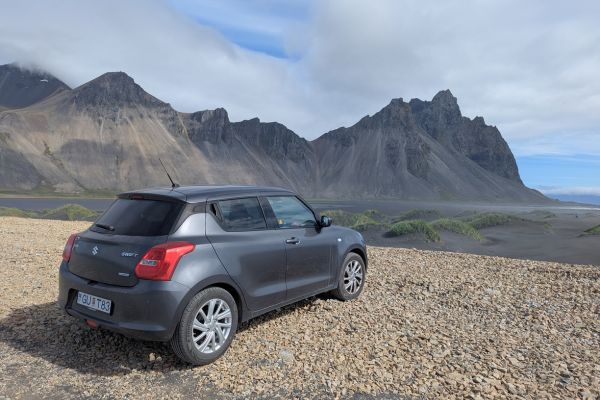
- Go for a small compact manual rental car.
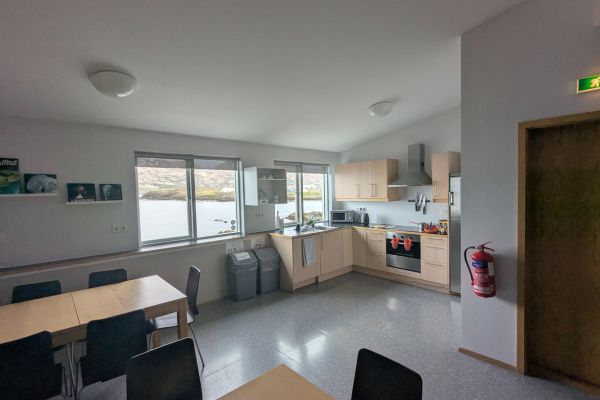
- Choose accommodation with shared bathrooms. Or camp.
- Self-cater rather than eating out. Read my guide to self-catering here.
Self-Drive vs. Guided Tour Costs
It’s worth flagging now, before you get to Step 5: a guided multi-day tour, with transport and accommodation bundled in, can actually work out cheaper overall than putting together a self-drive trip yourself once you add up the rental car, fuel, and accommodation separately. It’s not automatically the more expensive option just because it feels more “managed”; keep that in mind when you get to deciding how you’ll get around. And if you’re finding the whole planning thing difficult, these multi-day tours will give you an idea for what you can get.
Step 4: Check Visa Requirements
Iceland is part of the Schengen Area, which means the rules here follow the same framework as most of mainland Europe, not a separate Icelandic system you need to research from scratch.
Schengen Basics
Whether you need a visa at all depends entirely on your passport and how long you’re staying. Our full visa guide covers the specifics by nationality, rather than a generic overview here.
Step 5: Decide How You’ll Get Around Iceland
This decision affects your budget, your itinerary, and how much control you have over each day, so it deserves real thought rather than a default choice.
Self-Drive (Car or Campervan)
The main appeal here is flexibility; you stay as long as you want anywhere, and change plans on a whim, kind of, much more so with a campervan, less so with a car (unless you’re camping), as you’ll have accommodation booked.
The tradeoff is real too: you’re always the one driving, always the one checking weather and road conditions, and winter driving here can be truly difficult, occasionally outright impossible on certain roads. Our guide to whether you need a car in Iceland walks through this properly.
Guided Tour of Iceland
There are no logistics to manage (bar getting here, and from the airport to Reykjavik) unless you are collected directly from the airport. There’s no winter-driving anxiety, and an experienced guide who knows the roads and the culture. It’s also worth knowing, since it goes against most people’s assumption: a guided multi-day tour often works out cheaper than self-driving once every cost is totaled up separately. It’s not just more convenient.
Public Transport in Iceland
A real option, but it’s rather a narrow one. Specific transfers exist between major cities and popular sights, buses to the Blue Lagoon, for instance, but Iceland’s actual public transport network operates mostly within city districts, and while there are what’s called “countryside” routes, they tend to be town to town or city to city, and they don’t reach most of the attractions tourists come here for. Public transport is fine as a supplement, not a real substitute for a car or tour if you’re covering any real distance and expecting to get to all the waterfalls on your list.
Cruise to Iceland
If you’re arriving by cruise, this entire planning sequence works differently; your time on land is fixed by the ship’s schedule rather than your own itinerary. From the UK and Europe, itineraries tend to include the Faroes, northern Scotland and then Iceland. You can find options from P&O and Fred Olsen specifically covering this route.
Step 6: Book Your Accommodation
You should book accommodation earlier than feels necessary, particularly for summer as popular properties in peak season sell out months ahead, not weeks.
Why You Should Book Early
Iceland’s accommodation supply is truly limited outside Reykjavik; small towns and rural regions might have only a handful of properties total. Waiting until you’re closer to your trip risks being left with whatever’s left over, often the least convenient or most expensive option in an area, rather than an actual choice.
Watch Out for Shared Bathrooms
This isn’t just a hostel thing here; plenty of hotels and guesthouses in Iceland use shared bathrooms to keep prices down, and the ratio matters more than people expect. We’ve seen listings with as many as 10 rooms sharing a single bathroom, which is a very different experience from a guesthouse where two or three rooms share one. Always check this specifically before booking, rather than assuming “shared” means roughly the same thing everywhere. Many shared bathrooms in Iceland also combine the shower & toilet in a single room. So if the number of shared bathrooms is truly that limited, then you might be in for an uncomfortable time.
Full details on every accommodation type, hotels, guesthouses, camping, and cabins, are in our accommodation guide.
Step 7: Build Your Route/Itinerary
This is where all the previous decisions come together into an actual day-by-day plan, and it’s also where most planning mistakes happen.
Rules for Building a Route That Actually Works
- Match it to your interests. Hikes for outdoor people, museums and pools for others; don’t force a generic must-see list onto a trip that’s supposed to be yours. Just because everyone else visits every glacier or waterfall doesn’t mean you have to. Don’t enjoy museums? DON’T GO.
- Add an hour or more to whatever driving time you calculated. Gravel roads take longer than the map suggests, and you will stop for photos a lot more often than you think.
- Schedule time for grocery shopping if you’re self-catering. It’s one of our favorite things to do in new countries: explore the food culture by exploring the supermarkets and grocery stores. Don’t forget to get a SIM card and Google Translate; this is Iceland, and produce signage is in Icelandic.
- Stay flexible if you’re traveling in winter. Cancellations, road closures, and last-minute rearrangements are normal here.
- Don’t over-schedule. Three to four highlights a day. Take time to breathe.
- Leave room for the unplanned. Accept you won’t see everything; that’s what leaves space to turn off somewhere you hadn’t planned on.
- Don’t skip Reykjavík. Give it at least one full day, ideally at the end of your trip, when you can actually enjoy it rather than rushing off to hit the road.
We started with a “here’s our must-do” list of places to see and things to do. Then we mapped it onto a route. Then we got realistic about how much time we would spend in the country and pared it down. And then we mapped it onto open times for specific places we wanted to visit. All the while looking at the accommodation options for our chosen route.
Where to Go From Here
Once you know roughly how long you have and what matters most to you, our routes and circles overview is the next stop; it breaks down which route suits your timeframe and, importantly, what kind of vehicle each one actually requires. Then head to our itinerary guides linked in Step 2 for a full day-by-day plan at your chosen length.
Step 8: Sort Out the Small Logistics
The last stretch of planning is the least glamorous, but skipping it is how people end up scrambling at the airport.
SIM & Connectivity
Sort out how you’ll stay connected before you land; whether that’s a local SIM, an eSIM, or an international plan, you’ll want maps and weather updates working from the moment you leave the airport. My guide to SIM cards in Iceland is here.
BEST eSIM ICELAND

The Best eSIM Card for Iceland
If you want to get online as soon as you land, make sure you can pay parking fees by app, and navigate your way around Iceland, the this eSIM from Airalo is the perfect option. Easy to use, easy to manage.
Packing
What you pack depends heavily on season and activities, but layering and waterproofing are non-negotiable year-round here. As is a day pack to carry them with you when you head off to see a waterfall, hot river or even walk across town to see a museum. My packing list for Iceland is here.
Useful Apps
A handful of apps make a real difference on the ground: road condition checkers, parking payment apps, weather alerts. Worth having them installed and set up before you land, not scrambling to download them with patchy airport wifi. My guide to the key apps for Iceland, including one which shows you where the public toilets are, is here.
FAQs on Planning a Trip to Iceland
Got questions about planning a trip to Iceland? Here are quick answers to what we’re asked most.
How far in advance should I plan a trip to Iceland?
For summer travel, start at least 4-6 months out, especially for accommodation. Winter is more forgiving in terms of things being booked up, but northern lights tours and popular ice cave slots still fill up faster than you’d expect.
What’s the best trip length for first-timers?
5-7 days covers the classic highlights comfortably without rushing. It’s honestly the range most first-time visitors end up happiest with.
Do I need to book everything before I arrive?
Accommodation, yes, especially in summer. Activities and tours have more flexibility; some can be booked a day or two ahead, but anything popular, glacier hikes and northern lights tours especially, is safer booked in advance.
Is Iceland a good destination for solo travelers?
Yes, truly one of the safer, easier countries to travel solo; English is widely spoken, infrastructure is reliable, and guided tours make it easy to meet other travelers if you want company for a day or longer.
How much should I budget per day?
It varies enormously by accommodation and transport choice; see our full cost breakdown for real numbers rather than a rough guess here. And one thing you do NOT have to budget for in Iceland? Tipping. Read my guide to tipping in Iceland here.
Isn’t it just easier to book a tour to Iceland?
Sometimes, honestly, yes. If you’d rather not manage logistics, don’t want to drive in winter, or are traveling solo and want built-in company, a guided tour is a proper choice, not a lesser one. But if you want full control over your pace and route, self-driving is worth the extra planning effort. Neither answer is right for everyone; it depends on what kind of trip you actually want.
ICELAND TRAVEL RESOURCES
AIRPORT TRANSFERS
24/7 pickup & drop off. Trusted, local English speaking drivers. Prebook & prepay online with cards.
Book a Transfer
HOTELS AND APARTMENTS
See choices here
Rooms with a view? Budget rooms? Need a washing machine? The best choice of hotels & apartments.
TOURS & ATTRACTIONS
Most excursion choices, small group tours, skip-line tickets, free cancellation and top local guides.
Top options here.
CAR RENTAL OPTIONS
Choose cars here
Best choice of vehicles, automatics, large or small cars, child seats. Book early for more options.
Final Words on Planning a Trip to Iceland
Broken into steps like this, planning a trip to Iceland is a lot less overwhelming than it looks from the outside. Decide when and how long, sort your budget and visa, pick how you’ll get around, book your stay, build a route that leaves room to breathe, then handle the small stuff. Take it one step at a time, and you’ll have a plan worth actually following.
ASocialNomad is a participant in the Amazon Services LLC Associates Program, an affiliate advertising program designed to provide a means for sites to earn advertising fees by advertising and linking to amazon.com, amazon.co.uk, and amazon.ca. Amazon and the Amazon logo are trademarks of Amazon.com, Inc. or its affiliates. As an Amazon Associate, I earn from qualifying purchases.

