
Packing for Iceland is a problem. Because you tend to pack for the temperature you see online rather than the weather they’ll actually get. Reykjavik in July might sit around 12-13°C (54-55°F) on paper, and that number tells you almost nothing useful, because the wind and the rain are what actually decide whether you’re comfortable. As I write this, I’m remembering sheltering under an overhang outside the Art Museum in rain that was coming sideways, considering my life choices. What you pack also depends massively on how you’re traveling: a cruise stop, a guided coach tour, a self-drive road trip, tent camping or a campervan all ask for slightly different kit. Here’s our guide to packing for Iceland…
THIS POST MAY CONTAIN COMPENSATED AND AFFILIATE LINKS MORE INFORMATION IN OUR DISCLAIMER
This packing list for Iceland covers what to bring for every season, and it focuses on the specific gear you’ll actually use, layering, footwear, hot springs, road trips, self-catering, and the small stuff that’s easy to forget. Whatever you bring to Iceland needs to earn its space in a fairly small bag, since bulky winter layers especially don’t leave much room to spare. I’ll walk you through layering first, then summer packing, winter packing, footwear, activity-specific gear, self-catering essentials, road trip essentials, the small stuff, and finally what to leave at home entirely. It’s part of my set of guides on planning a trip to Iceland. Start with the headline one here.
PRACTICAL TRAVEL TIPS
- 🛡️ Get Travel Insurance: Civitatis includes medical expenses, repatriation, theft, luggage delays. No deductibles or upfront payments. Get a quote here.
- 🛏️ Sea view? Laundry? Private bath? Book a Room.
- 🔌 Be ready for the plug, socket & power situation.
- 📶 Get online EASILY & cheaply – One eSim for the world. Data never expires
The Layering System in Iceland — Base, Mid, Outer
Almost every packing mistake in Iceland comes back to the same thing: bringing one heavy coat instead of layers you can add and remove. Iceland’s weather can shift from calm sunshine to horizontal rain in twenty minutes, and a single big coat doesn’t give you anywhere to go when that happens.
We’ve been on the road in one sense or another since 2014, and for much of that time traveled with a 40 liter, then a 52 liter bag each. When you have room in your luggage for two pairs of shoes, you have to make some big decisions.
Base Layer Essentials
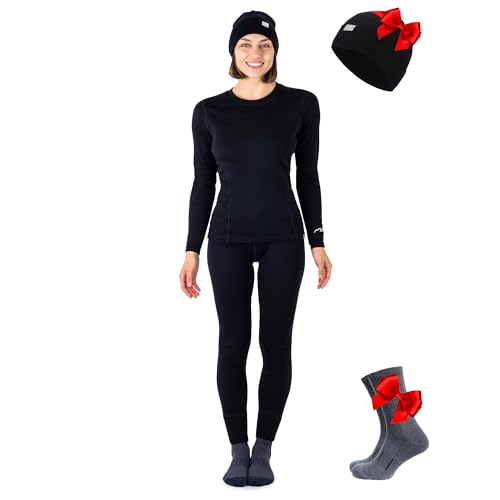
Your base layer sits against your skin, so it needs to move moisture away from your body rather than hold onto it, which rules out cotton completely. Merino wool is the classic choice; it stays warm even when damp and doesn’t hold odor the way synthetics can, though some people find it itchy against the skin. A synthetic thermal set is the cheaper, faster-drying alternative, and it’s a perfectly good option if you’re washing things in a guesthouse sink (because you can’t find an easy-to-use laundry service) partway through the trip. Pack at least two sets if you’re here for more than a few days.

As an Amazon Associate I earn from qualifying purchases.
As an Amazon Associate I earn from qualifying purchases.
Mid Layer for Warmth
A fleece or a wool jumper goes over your base layer, and the rule of thumb is simple: the thicker your outer shell, the thinner your mid-layer needs to be, and vice versa. An Icelandic wool sweater, a lopapeysa, is worth considering here too; it’s warmer than fleece for the weight, and it doubles as a proper souvenir rather than another travel fleece that lives in a drawer at home. You’ll need to consider always wearing a base layer with a lopapeysa though; they tend to be very itchy. I cannot bear wool against my skin. Period.
Outer Layer — Wind & Waterproof
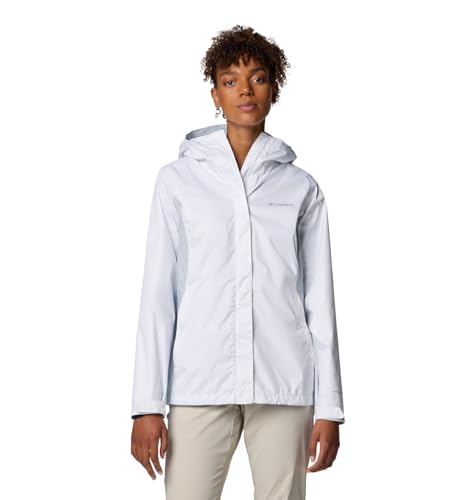
This is the single most important thing in your bag. You want a jacket that’s truly windproof and waterproof, not just water-resistant, because Icelandic wind will find any gap a resistant fabric leaves and push water straight through it. Waterproof over-trousers are also really important (and easy to remove when you get back to your car or tour bus), especially near waterfalls, where the spray blows around a lot further than it looks like it should. You should check out my guide to Iceland’s waterfalls and see which you might get wet at.
My recommendation for all season? Take a baseball cap that fits snugly on your head. Anything loose is going to blow off. And the peak of a baseball cap will keep any raingear out of your eyes and your visibility good.

As an Amazon Associate I earn from qualifying purchases.
As an Amazon Associate I earn from qualifying purchases.
Packing for Summer in Iceland
Summer in Iceland doesn’t get particularly hot even at its warmest. Our mid-June to July trip recently got as hot as 13C (55F). So think of it as packing for a cool climate, just without the winter darkness.
What to Wear in an Icelandic Summer
Bring the same layering system, base, mid, and a waterproof shell, just in lighter weights than you would for winter. A fleece or light sweater for the evenings, a scarf or buff for wind, and quick-drying trousers rather than jeans will cover most days. On our recent trip, I took a pair of quick-drying jeans, but didn’t take them out of my bag once.
Don’t Skip Rain Gear Just Because It’s June
Rain doesn’t take a season off here. A waterproof jacket and a pair of waterproof trousers are worth the luggage space in July just as much as in January, since a sudden shower can turn a pleasant walk to a waterfall into a downright unpleasant one if you’re not prepared.
Sleep Mask for the Midnight Sun
If you’re visiting between roughly May and August, it barely gets properly dark, and a lot of people underestimate how much that affects sleep until they’re lying awake at 02:00 in a room that looks like early evening. A sleep mask is small, cheap, and one of the most commonly recommended packing items for an Icelandic summer trip, for exactly this reason.

As an Amazon Associate I earn from qualifying purchases.
Packing for Winter in Iceland
Iceland’s winter is milder than most people assume in terms of raw temperature, but the wind and the short daylight change the packing calculation completely.
What to Wear in an Icelandic Winter
Reykjavik typically sits somewhere around -2 to 3°C (28-37°F) through the winter months, which is milder than a lot of people expect, but the windchill takes it well below that on paper. A full layering system- thermal base layers, a warm mid-layer, and a windproof waterproof shell- is what will get you through a day outdoors comfortably.
Layering for Sub-Zero Days
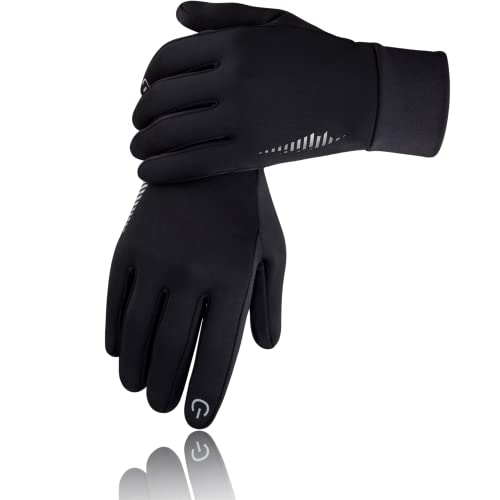
On the coldest days, add a second mid-layer rather than one heavier layer, since it’s easier to peel one off in a warm café and put it back on outside. Warm, windproof gloves with touchscreen-compatible fingertips are worth having too; pulling gloves off every time you need your phone gets old fast in a proper Icelandic gale. Losing them in that same gale is something you won’t forget in a hurry.
As an Amazon Associate I earn from qualifying purchases.
Northern Lights Watching Gear
Chasing the Northern Lights means standing still outside in the cold for long stretches, which is a very different kind of cold exposure to walking around a city. Warm boots, hand and toe warmers, a hat that fits snugly enough not to blow off, and a headtorch for the walk back to the car all make a real difference. If you’re bringing a camera, a tripod is essential, since aurora exposures run far too long to hand-hold.
Footwear for Iceland — What You Actually Need
Good footwear matters more in Iceland than in almost any other destination we’ve visited (although hiking to Everest Base Camp came close), because you’re dealing with mud, ice, wet rock, and river spray, often all in the same day.
Everyday Waterproof Boots
Waterproof boots with decent grip are non-negotiable, whether or not you’re planning any serious hiking. You’ll be walking across slush, wet grass, and gravel paths regularly, and wet feet on a cold day in Iceland is a fast route to a miserable afternoon. If you’re coming to Iceland outside of winter months, then hiking shoes, depending on what your plans here are, should suffice. We brought Merrell Hiking Shoes (because they’ve been our go-to for more than 14 years now) for a June-July visit recently. I didn’t, however, pack my waterproof socks (bought specifically for this hike). I didn’t use them in Iceland.
Ice Grips for Winter Pavements
Clip-on ice grips, sometimes called microspikes or ice cleats, stretch over your boots and give you traction on frozen pavements and car parks. This is a different, cheaper item from the crampons a glacier tour supplies; these are for icy footpaths in town, not for walking on the ice itself, and Reykjavik’s pavements after a freeze really do turn into skating rinks.
Should You Bring Hiking Boots or Buy Them in Iceland?
Bringing boots you already own, and have broken in, is always the better call. Icelandic outdoor gear isn’t the tourist markup people sometimes assume, but you don’t want to spend day one of a short trip shopping, or discover the only pair left in your size doesn’t fit properly. If you’re buying new boots specifically for this trip, do it well before you fly so you’ve had a chance to wear them in. If you don’t already have boots, check out my guide to men’s hiking boots here.
Packing for Specific Activities in Iceland
A handful of the most unique things to do in Iceland come with their own packing quirks, and getting these right ahead of time saves a scramble at the meeting point.
Packing List for Iceland’s Glaciers & Ice Caves
Warm layers, a waterproof outer shell, and sturdy hiking boots are what you need for a glacier walk or ice cave tour; crampons, a helmet, and an ice axe are supplied by the operator as part of the trip. We’ve covered this in full in our guide to glaciers in Iceland, including which experiences need a guide and which don’t. If you’re taking an Ice Cave Tour, then here’s what you can expect in Iceland.
Packing List for Iceland’s Hot Springs & Lagoons
Bring a swimsuit, a towel (some venues rent them, some don’t), flip-flops for the changing rooms, and a hair tie if you’ve got long hair; the mineral-rich water isn’t kind to it. If you’re visiting more than one hot spring or lagoon on your trip, it’s worth packing a second swimsuit, since one won’t fully dry out between soaks on a rainy day. Our guide to hot springs and lagoons in Iceland has the full rundown on where to go and what each one actually costs.
Packing List for Whale Watching in Iceland
Dress in warm layers regardless of the season; the water stays cold even in July, and boats don’t offer much shelter from the wind once you’re moving. Our whale watching guide covers boat types, timing, and what your odds actually look like at different times of year.
Packing List for Horse Riding in Iceland
Most riding gear is supplied by the tour; boots, helmets, and overalls are standard, but there’s one packing rule that’s easy to miss: it’s actually illegal to bring used riding gear or clothing into Iceland from another country, to protect Icelandic horses from disease. Our guide to Icelandic horses covers this along with everything else worth knowing before you ride.
Packing List for Iceland’s Black Sand Beaches
Sneaker waves catch out more people than the warning signs suggest, waves that reach much further up the beach than the ones before them, with no obvious pattern. Pack spare socks if you’re spending the day at Reynisfjara or Djúpalónssandur, and don’t assume “waterproof” boots mean “wave-proof” boots. Our guide to black sand beaches in Iceland goes into the safety side of this in more detail.
Packing List for Iceland’s Midges
The midges around Mývatn can be a real nuisance in calm summer weather, and it’s worth packing a headnet if you’re spending time there. We bought our headnets back in Alaska a long time ago, used them most recently in northern Finland, but we didn’t end up needing ours on our own visit, mostly because it was too windy for anything to land on us, but that’s not something you can rely on. Our North Iceland travel guide covers this exact detail if you want the fuller picture.

As an Amazon Associate I earn from qualifying purchases.
General Hiking Gear for Iceland
Beyond the activity-specific stuff above, a day pack, a reusable water bottle, and snacks are worth having for any hiking day, even a short one, since cafés and shops thin out fast once you’re away from Reykjavik or the bigger towns.
Packing for Self-Catering in Iceland
Self-catering is one of the more reliable ways to keep costs down on an Iceland trip, and a little packing planning makes it noticeably easier. Read my guide to self-catering in Iceland here.
Kitchen Basics Most Guesthouses & Airbnbs Already Have
Most guesthouses and Airbnbs come with a reasonably equipped kitchen already, pots, pans, plates, and basic cutlery. It’s worth checking the listing before you assume this, particularly for smaller or more rural properties.
What’s Actually Worth Bringing From Home
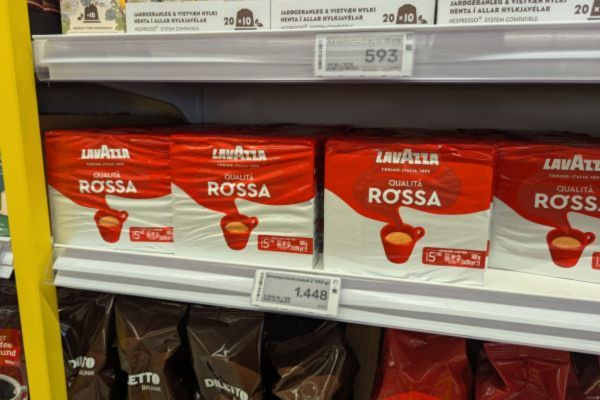
A small selection of spices or seasonings you actually use is worth packing, since Icelandic supermarkets don’t always carry the exact ones you’re used to, and buying a full jar for one trip is wasteful. Beyond that, there’s rarely much you actually need to bring rather than buy locally. I’d stocked up on coffee before we came, and then found that my favorite Lavazza coffee was half the price in Iceland than it was at home! Don’t believe me? Check out online prices at Kronan.is.
Reusable Bags & Containers for Grocery Runs
Iceland doesn’t provide free plastic bags at the checkout the way some countries do, so a reusable shopping bag is worth keeping in your day bag or car for grocery runs. A couple of reusable containers help too, for leftovers or for packed lunches on a driving day.
What Food You’re Actually Allowed to Bring Into Iceland
You can bring up to 10 kilograms (22 pounds) of food, including sweets, provided the total value stays under 25,000 ISK. If you’re arriving from outside the EU/EEA is more restrictive; raw or uncooked meat, uncooked eggs and dairy, and fresh fruit and vegetables aren’t allowed in. Any meats or dairy products from the EU/EEA must be fully cooked or factory-sealed. You CANNOT bring uncooked meat of any form in. There’s more on arriving in Iceland in my guide here.
Packing for Iceland Road Trips
A self-drive trip needs a slightly different packing list than a city break, mostly built around the car itself rather than what you’re wearing.
Car Essentials to Bring With You on an Iceland Road Trip
A phone charger that works in the car, a printed or downloaded copy of your rental agreement, and a basic understanding of where the nearest fuel stations are along your route are all worth sorting before you leave Reykjavik. Our guide to renting a car in Iceland and our guide to driving in Iceland both cover what you’ll actually need once you’re behind the wheel.
Probably the most important thing to understand for an Iceland road trip, is how parking works and I wrote about that here.
Snacks & a Cooler Bag for Long Driving Days
Long stretches of the Ring Road pass through areas with very little in the way of shops or restaurants, so keeping snacks and a small cooler bag in the car is a sensible habit rather than an overpacking issue. If nothing else, it means that the Skyr you bought but didn’t finish will still be cold when you arrive at your next stop.
Phone Mount & Offline Maps
A phone mount for navigation is worth having, although many rental cars will have a navigation system that connects to your phone. Downloading offline maps before you set out is worth doing every single day you’re driving somewhere remote, since signal drops out in parts of the interior and along some of the quieter coastal routes. My guide to apps you’ll need for Iceland is essential. And, so of course, is a data plan, or at least a plan for how you’ll get data access. Read my guide to data and SIMs for Iceland here.
Extra Gear to Keep in the Car for Winter Driving
If you’re driving in winter, our guide to driving in Iceland covers what a rental car typically comes with already, studded tires among them, but it’s worth keeping a headtorch, a blanket, and some snacks in the car regardless, just in case a road closes or a drive takes longer than planned.
The Small Stuff That’s Easy to Forget
A handful of small, inexpensive items make a bigger difference than their size suggests, and they’re the things people tend to remember only after they’ve landed without them. First of all, check my guide here to see if you need a visa for Iceland (chances are you don’t, but better safe than sorry)
Sunglasses
Sunglasses are easy to forget packing for a country with a grey, rainy reputation, but the glare off snow in winter and off water in summer is particularly strong, and you’ll want them either way.
Lip Balm, Moisturizer & Sunscreen
Cold, dry air is harder on skin than people expect, and that’s true in winter as well as summer; low winter sun reflecting off snow can be surprisingly strong too. And the wind? Yeah, it felt as though as soon as I’d applied lip balm, I needed to apply it again!
A Few Plastic or Dry Bags
A handful of plastic or dry bags are worth having for wet clothes, muddy boots, or keeping electronics dry; this is one of the most commonly repeated tips across every packing guide we’ve come across, and for good reason. Reusable food storage bags are also worth their weight in gold. Although, yeah, I get it, they weigh virtually nothing.
Payments in Iceland: Do you need cash?
Iceland is about as card-friendly as anywhere in the world, to the extent that I’d suggest you don’t need a single Icelandic Krona to visit. Our guide to how to pay in Iceland covers this in more detail, including if cash actually still comes in handy.
What NOT to Bring to Iceland
This section is just as important as what to pack: what to leave behind.
Overpacking Myths
Jeans, an umbrella, and a suitcase full of “just in case” items are the most common overpacking mistakes. Jeans get wet and stay wet, an umbrella won’t survive Icelandic wind for long, and every unnecessary item takes up space that could hold a dry pair of socks instead.
Don’t Bring Gear You Can Rent or Buy Locally Instead
Crampons, helmets, and ice axes for glacier tours are always supplied by the operator, so there’s no need to buy them yourself. Waterproof jackets and trousers for a one-off tour day are often rentable too, which is a cheaper option than buying a full outdoor wardrobe for a single trip.
Don’t Bring Alcohol From Home
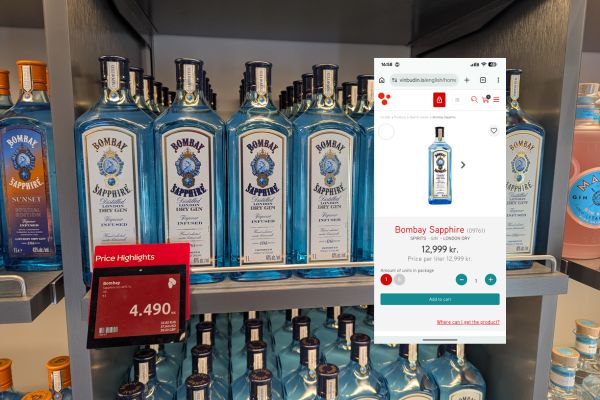
Don’t bother packing alcohol from home. The duty-free shop at Keflavik on arrival is the cheapest place to buy it, and it saves the extra suitcase weight both ways. Our guide to alcohol in Iceland covers pricing and where to buy once you’re here.
Pack a power bank for your phone regardless of season; long days out sightseeing add up faster than you’d expect, and our guide to power adapters for Iceland covers exactly what plug and charging setup you’ll need.
FAQs on Packing for Iceland
Here are quick answers to the questions we hear most about packing for a trip to Iceland.
Do I need a swimsuit for Iceland?
Yes, in every season. The geothermal pools and hot springs are open year-round, and soaking in one while it’s snowing outside is one of the best things about visiting in winter.
What shoes are best for Iceland?
Waterproof boots with decent grip; ankle support isn’t essential for most travelers, but it’s worth it if you’re doing much hiking. Add clip-on ice grips for winter.
Is one packing list enough for both summer and winter?
The core layering system stays the same: base, mid, waterproof outer, but winter asks for warmer weights, a headtorch, and hand warmers, while summer needs lighter layers and a sleep mask.
Do I need waterproof gear even in summer?
Yes. Rain doesn’t take a season off in Iceland, and a sudden shower can catch you out just as easily in July as in January.
What should I pack for seeing the Northern Lights?
Warm layers, a hat and gloves you can stand still in for a while, hand and toe warmers, a headtorch, and a tripod if you’re bringing a camera.
Do I need crampons or microspikes?
You don’t need to buy crampons; glacier and ice cave tours supply them. Clip-on ice grips or microspikes for pavements and paths are worth bringing yourself, since nobody supplies those.
Should I pack mosquito repellent?
Iceland has very few biting insects overall, but the non-biting midges around Mývatn in North Iceland can be a real nuisance in calm summer weather. We had repellent with us, but didn’t need it. It was too windy for anything to land!
Do I need a head net for midges?
It’s worth packing one if you’re visiting Mývatn in summer, though wind often does the job for you. It’s better to have one and not need it than the other way around.
ICELAND TRAVEL RESOURCES
AIRPORT TRANSFERS
24/7 pickup & drop off. Trusted, local English speaking drivers. Prebook & prepay online with cards.
Book a Transfer
HOTELS AND APARTMENTS
See choices here
Rooms with a view? Budget rooms? Need a washing machine? The best choice of hotels & apartments.
TOURS & ATTRACTIONS
Most excursion choices, small group tours, skip-line tickets, free cancellation and top local guides.
Top options here.
CAR RENTAL OPTIONS
Choose cars here
Best choice of vehicles, automatics, large or small cars, child seats. Book early for more options.
Final Words on Packing for Iceland
Layers solve almost everything here. Get a decent waterproof shell, a warm mid-layer, and boots you trust, and you’ve covered the vast majority of what an Icelandic trip actually throws at you, in any season. The rest of this list is really about the details, hot springs, road trips, self-catering, the small stuff that makes the difference between a trip where you’re constantly adjusting and one where you’re not thinking about your kit at all. Pack for the wind and the wet rather than the number on the forecast, and you’ll be all set.
ASocialNomad is a participant in the Amazon Services LLC Associates Program, an affiliate advertising program designed to provide a means for sites to earn advertising fees by advertising and linking to amazon.com, amazon.co.uk, and amazon.ca. Amazon and the Amazon logo are trademarks of Amazon.com, Inc. or its affiliates. As an Amazon Associate, I earn from qualifying purchases.

